Treatments
Braces in KL: types and prices, from RM5,000
Orthodontic assessment and braces for younger patients, teenagers and adults, with treatment planned and followed by the same dentist throughout. Instalment options are available.
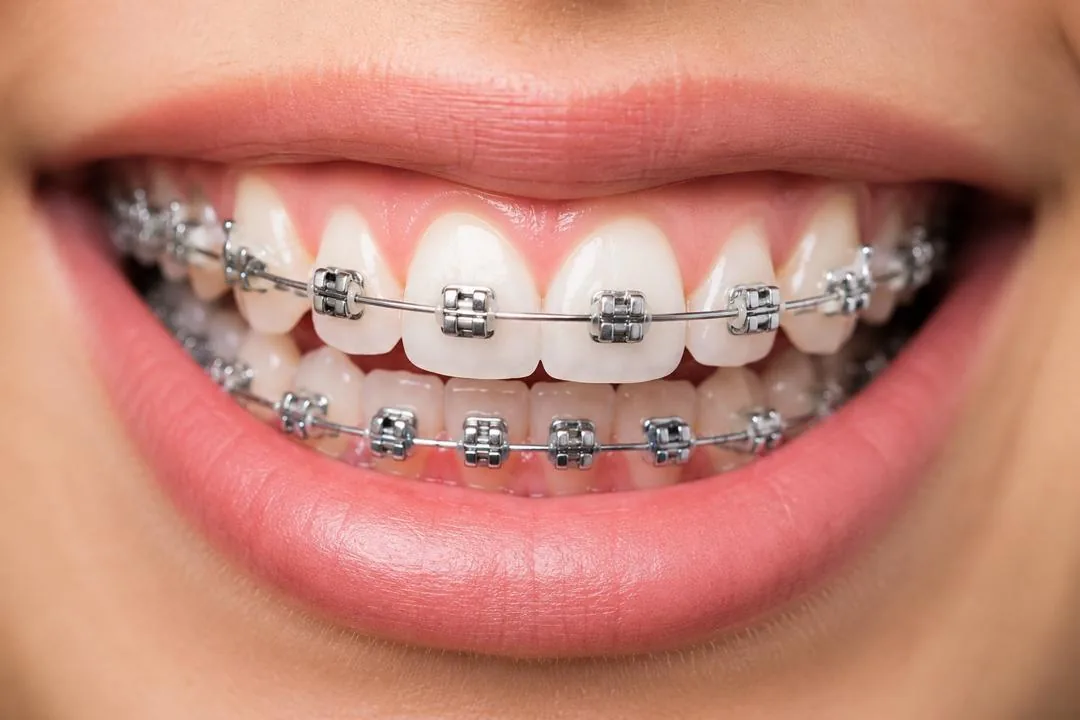
Orthodontic treatment is planned around your teeth, your bite and what you would like to improve - not simply around the type of braces you choose. At Klinik Pergigian Genting, your case is assessed, planned and followed throughout treatment by the same dentist.
We offer both conventional and self-ligating braces. We will explain the differences, what is suitable for your case and the costs involved before treatment begins. If the less expensive option can achieve what we need just as well, we will tell you.
Starting price, not a quotation. Your personalised treatment plan and fee estimate will be provided following assessment.
Conventional and self-ligating braces: the real difference
Both conventional and self-ligating braces use brackets and archwires to gradually move teeth into their planned positions. The main difference is how the archwire is held within the bracket.
Conventional braces use small elastic ligatures to secure the wire. These are the coloured bands many patients associate with braces, and they are changed during adjustment visits.
Self-ligating braces use a built-in clip or sliding mechanism within the bracket to hold the wire, so elastic ligatures are not required.
Side by side
| Conventional | Self-ligating | |
|---|---|---|
| How the wire is held | Elastic ligatures | Built-in clip or door |
| Coloured bands | Available | Usually not required |
| Adjustment appointments | Ligatures are changed when required | Clip allows easier wire engagement |
| Visit intervals | Depends on treatment stage | Depends on treatment stage |
| Cost | Lower | Higher |
| Overall treatment time | Depends on the case | Depends on the case |
What to expect on treatment time
Self-ligating braces are sometimes marketed as a faster option. In reality, overall treatment time depends much more on the complexity of your case, the tooth movements required and keeping up with your appointments than on the type of bracket used.
Self-ligating brackets can make some wire changes simpler and may reduce chair time at certain appointments, but they do not automatically mean faster treatment.
We recommend the system based on what is appropriate for your case, your preferences and your budget - rather than assuming the more expensive option is always better.
Which one should you choose?
Neither type is automatically better for every patient. At your consultation, we will explain which options are suitable for your teeth and bite, what the practical differences are, and what each option costs. If conventional braces can achieve what we need just as well, we will tell you.
Some patients also simply prefer conventional braces because they enjoy choosing different coloured bands at their visits - particularly younger patients. That is a perfectly reasonable reason to choose them.
What is a power chain?
A power chain is a connected row of elastic rings placed over several brackets at once, used to close gaps between teeth. It is a normal part of many treatment plans, not a separate treatment or an extra cost.
Should you consider braces?
Braces may be worth considering if:
- Your teeth are crowded, crooked or overlapping
- You have gaps between your teeth
- Some teeth sit noticeably forward or out of position
- Your upper and lower teeth do not bite together comfortably
- You have been told you have an overbite, underbite or crossbite
- You are unhappy with the alignment of your teeth or smile
Not every irregular tooth needs braces. An orthodontic assessment allows us to look at your teeth, bite and overall dental health, then explain whether treatment would be beneficial and what your options are.
Types of braces and what each costs
There are four main ways to straighten teeth at our Setapak clinic. All of them move teeth with gentle, steady pressure; they differ in how the wire is held, how visible they are, and what they cost.
| Type | How it works | How it looks | Price from |
|---|---|---|---|
| Metal (conventional) braces | Metal brackets on each tooth, with small elastic ties holding the wire | Visible metal brackets; you can choose coloured ties | RM5,000 |
| Self-ligating braces | Brackets with a built-in clip that holds the wire, so no elastic ties are needed | Visible metal brackets, slightly smaller and neater | RM7,500 |
| Ceramic braces | Fixed brackets that work like metal braces, made from a tooth-coloured ceramic | Less noticeable than metal brackets | RM8,000 |
| Clear aligners | A series of removable clear trays, changed every few weeks | Nearly invisible; taken out to eat and brush | RM6,000 |
The right choice depends on how your teeth need to move, not only on looks or price. Some bite problems are better treated with fixed braces than with aligners. We'll tell you at your assessment (RM25) which options suit your teeth.
Braces price in Malaysia: government vs private clinic
Government dental clinics offer subsidised braces, but places are limited, waiting lists can be long, and patients must meet eligibility criteria. A private clinic costs more but lets you start sooner, choose your type of braces, and see the same dentist throughout. At Klinik Pergigian Genting you can pay in interest-free instalments directly with the clinic.
Getting braces, step by step
1. Consultation and assessment. We examine your teeth, gums and bite and discuss what you would like to improve. Any X-rays, photographs, impressions or digital scans needed for treatment planning will be arranged.
2. Planning your treatment. No two mouths are exactly the same. We assess the alignment of your teeth, your bite, available space and the movements required, then design a treatment plan around your individual case.
3. Fitting your braces. The teeth are prepared, the brackets are bonded and the first archwire is fitted. We will also explain what to expect during the first few days and what to do if anything feels uncomfortable.
4. Looking after your teeth and braces. Cleaning becomes more important once braces are fitted. We will show you how to brush around the brackets and wires and recommend suitable interdental cleaning aids. Regular dental check-ups and professional cleaning as required should continue during orthodontic treatment.
5. Adjustment visits. You will return periodically so we can review your progress and make the adjustments needed to continue moving your teeth towards their planned positions. The timing of these visits varies according to the stage of treatment and your individual case.
6. Finishing treatment and retainers. Once the planned tooth movements have been achieved and your bite is satisfactory, the braces are removed. Retainers are then used to help maintain the new positions of your teeth.
Eating with braces
Hard, sticky or very chewy foods can damage brackets and wires. Repeated breakages can interrupt tooth movement and may prolong treatment, so a few changes in how you eat can make treatment much smoother.
- Avoid biting directly into very hard foods: ice, hard sweets, hard nuts and similar foods
- Cut harder foods into smaller pieces first: apples, pears, corn on the cob and meat on the bone
- Be careful with sticky foods: chewing gum, sticky sweets and other foods that can pull on brackets or wires
We will go through these instructions with you when your braces are fitted.
After braces: retainers
Teeth naturally have a tendency to move after braces are removed. Retainers help maintain their new positions and protect the result achieved during orthodontic treatment.
Retention is an essential part of orthodontic treatment. Your dentist will advise you on the type of retainer you need and how often it should be worn. Long-term retainer wear is usually necessary to help keep your teeth in their corrected positions.
What braces cost
Braces at Klinik Pergigian Genting start from RM5,000. Self-ligating braces start from RM7,500.
Includes treatment planning, routine adjustment visits and care through to removal. Retainers charged separately.
The final fee depends on the complexity of your case, the treatment required and the type of braces selected. After your assessment, we will explain your treatment plan and provide a clear fee estimate before treatment begins.
Instalment options are available. Paying in instalments directly with Klinik Pergigian Genting is interest-free. Credit card instalment plans are also accepted, on whatever terms your bank applies. We will explain the payment schedule before you decide to proceed.
Orthodontic consultation and assessment starts from RM25.
Starting price, not a quotation. Your personalised treatment plan and fee estimate will be provided following assessment.
What is included in your braces treatment?
Your orthodontic fee covers your treatment journey from planning through to removal of the braces, so you know what is included before you begin.
Your braces treatment includes:
- Impressions (moulds) and the X-rays required for orthodontic planning
- Your orthodontic assessment and treatment plan
- Fitting of the braces
- Routine adjustment visits throughout treatment
- Scaling and polishing before and during orthodontic treatment as required
- Removal of the braces at the end of treatment
- Final scaling and polishing
- Fluoride varnish after the braces are removed
Retainers are not included in the braces fee and are charged separately. We will explain the retainer options and costs before the end of your orthodontic treatment.
Frequently asked questions
How long do braces take? Treatment time varies considerably depending on the complexity of your case and the tooth movements required. Many comprehensive orthodontic treatments take around 18-24 months, but some are shorter and others take longer. After assessing your teeth and bite, Klinik Pergigian Genting can give you a more meaningful estimate for your case.
Do braces hurt? Fitting braces is generally comfortable, although your teeth may feel tender for a few days afterwards and following some adjustments. The cheeks and lips may also take a little time to get used to the brackets. This usually settles as your mouth adapts.
Am I too old for braces? No. Adults can have orthodontic treatment too. What matters more than age is the health of your teeth, gums and supporting bone. Klinik Pergigian Genting will assess these before treatment begins.
Will I need teeth removed for braces? Not everyone needs extractions. Whether space needs to be created depends on factors such as crowding, the position of the teeth, your bite and facial profile. Where treatment can be carried out predictably without removing teeth, we will explain that option. If extractions are recommended, we will explain why they are needed as part of your treatment plan before anything is done.
How often will I need to come in? Adjustment appointments are usually scheduled several weeks apart, but the exact interval depends on the stage of treatment and what needs to be done at each visit. We will let you know when your next review should be.
Can I get braces if I have gum problems? Healthy gums are important before and during orthodontic treatment. Active gum disease should be treated and stabilised before braces are fitted, as moving teeth in an unhealthy periodontal environment can cause further problems. We will assess your gums as part of your consultation and advise if any treatment is needed first.
What should I do if a bracket comes loose? Contact the clinic and let us know. Depending on where you are in treatment and which bracket is affected, we will advise whether it needs to be repaired promptly or can safely wait until your next appointment.
What happens if I miss my adjustment appointments? Regular reviews are an important part of orthodontic treatment. Missing appointments repeatedly can slow treatment and may mean the braces remain on longer than originally estimated. If you cannot attend, contact us and we will arrange the next suitable appointment.
Related treatments
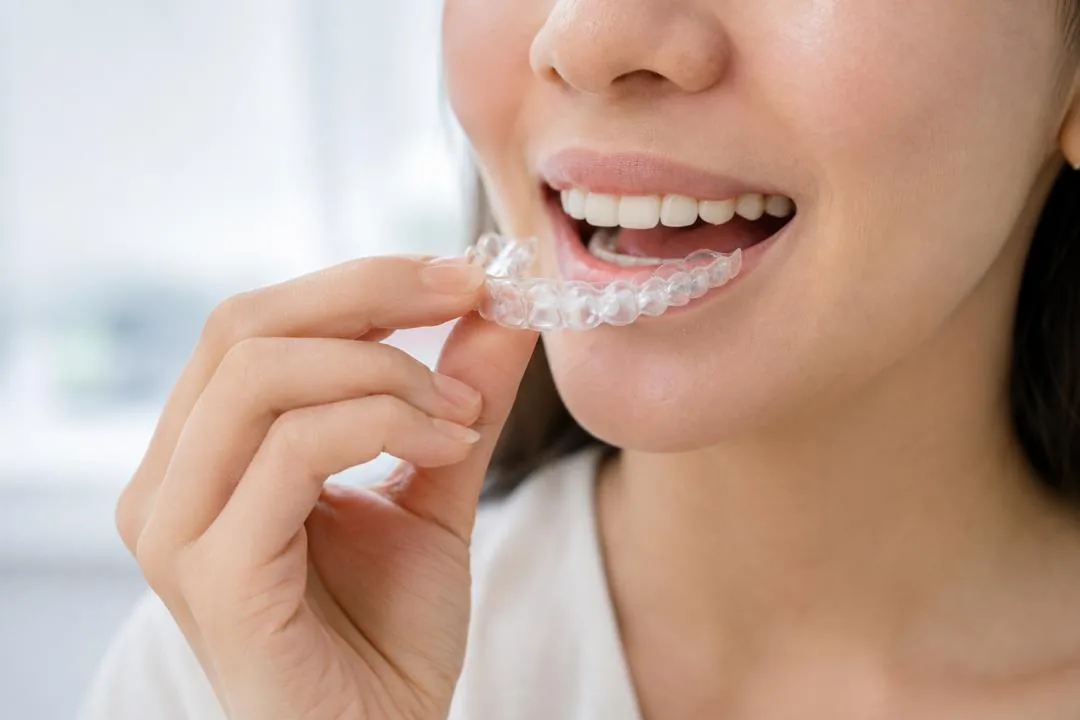
Clear aligners
A removable, less visible alternative to fixed braces for suitable cases. We will tell you honestly whether aligners will work for your bite.
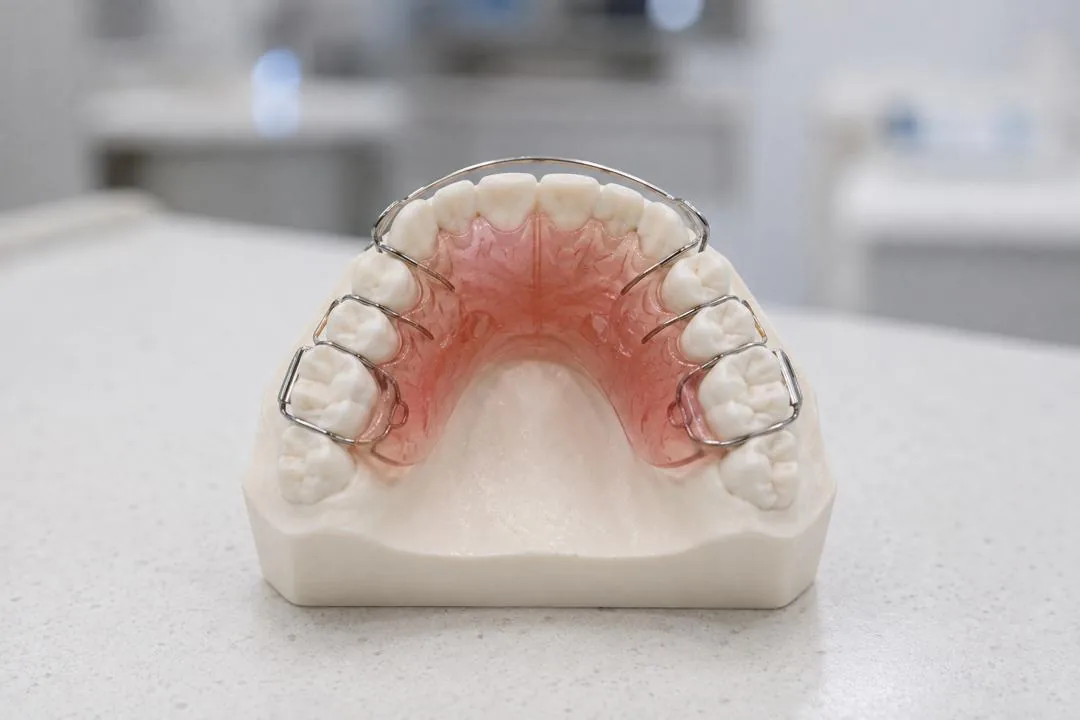
Retainers
Hawley and Essix retainers fitted after braces, since teeth drift without them. Replacements made even if your original braces were fitted elsewhere.
Nearby KL areas
Patients visit us from around Setapak
Genting Dental Setapak is on Jalan Genting Kelang and welcomes patients from nearby areas including Wangsa Maju, Danau Kota, Taman Melati, Taman Melawati and Setiawangsa.
Areas we serveTalk it through first
An examination tells you what applies to your teeth, what the options are, and what each would cost - before you commit to anything.