Treatments
Dentures in Setapak: which type suits you
Full and partial dentures in acrylic, cobalt chrome and flexible nylon. Six adjustment visits included in the first three months. Repairs and relines too.
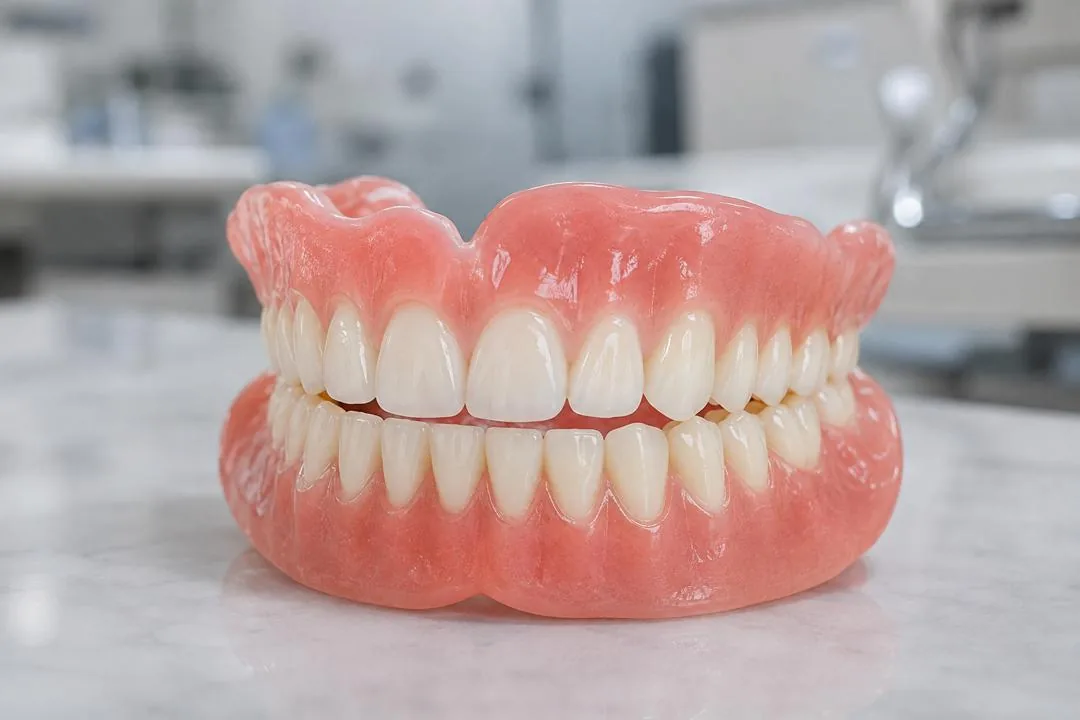
Klinik Pergigian Genting makes full and partial dentures at our clinic on Jalan Genting Kelang, Setapak, and repairs and relines dentures that have cracked or loosened. Choosing between flexible, acrylic and metal comes down to how many teeth are missing, comfort, and cost.
Assessment starts from RM25.
Starting price, not a quotation. Your personalised treatment plan and fee estimate will be provided following assessment.
Full and partial dentures
A full denture replaces all the teeth in one jaw. It rests on the gum and is held mainly by suction and the shape of the ridge.
A partial denture replaces some teeth while natural teeth remain. It uses the remaining teeth and gums for support and retention, helping the denture stay secure during everyday use.
Denture materials compared
| Acrylic | Cobalt chrome (metal) | Flexible | |
|---|---|---|---|
| Base | Acrylic resin | Slim metal framework with acrylic teeth/base | Flexible thermoplastic material |
| Thickness | Usually thicker | Thin, rigid framework | Thin and flexible |
| Clasps | Often metal | Metal | Gum-coloured, less visible |
| Comfort | Can feel bulkier | Slimmer and less bulky | Flexible against the tissues |
| Strength | Can fracture if dropped | Very strong and rigid | Flexible and fracture-resistant |
| Adjustments / repairs | Easiest to adjust, repair and reline | Possible, but more involved | More difficult to adjust or reline |
| Adding teeth later | Usually straightforward | Possible in some designs, but more involved | Often difficult |
| Cost | Lowest | Higher | Higher |
Valplast is a widely known brand of flexible denture. Flexible dentures are generally made from nylon-type materials, and the brand name is often used loosely to mean the material.
The most expensive material is not automatically the best choice. The right denture depends on which teeth remain, the condition and position of those teeth, your gums and bone, how the denture needs to be supported, and whether teeth may need to be added in future. We will explain the options that make sense for your mouth and why.
Which one is usually recommended
Acrylic suits full dentures, immediate dentures after extractions, and cases where teeth may need adding later. It is the most adaptable and the least expensive.
Cobalt chrome suits partial dentures where several natural teeth remain to support it. The metal framework is slim, strong and hard-wearing. It costs about the same as a flexible denture.
Flexible suits partial dentures where visible metal clasps would be a concern, and for people who find rigid acrylic uncomfortable. The trade-off is that it is harder to adjust and reline later.
Your dentist will explain which apply to your case.
Getting dentures made
1. Assessment. Examination of your remaining teeth, gums and ridge, with X-rays where needed. Any teeth needing extraction or treatment are dealt with first.
2. Impressions. Moulds of your jaws are taken so the denture is made to your mouth.
3. Try-in. A trial denture is checked for fit, bite and appearance before it is finished. Changes are easiest at this stage - say if something does not look right.
4. Fitting. The finished denture is fitted and adjusted.
5. Adjustments. Sore spots in the first few weeks are normal and are exactly what review appointments are for. Come back rather than putting up with it.
Most dentures take three to six visits from first impression to final fitting, depending on the case.
Six adjustment visits are included at no extra charge for the first three months after your denture is completed. They are part of the price, not an add-on.
Getting used to a new denture
The first few weeks take adjustment, and this is normal:
- Speech can feel odd at first. Reading aloud at home helps
- Start with soft food cut small, and chew on both sides
- Increased saliva at first is common and settles
- Sore spots mean the denture needs adjusting, not that you must endure it
Looking after dentures
- Clean them daily over a basin of water or a folded towel, so they do not break if dropped
- Use a denture brush and denture cleaner, not regular toothpaste, which is abrasive
- Take them out at night unless your dentist advises otherwise, and store them in water or cleaning solution
- Clean your gums, tongue and any remaining teeth as well
- Keep up regular check-ups even if you have no natural teeth left
Broken denture repair
Klinik Pergigian Genting repairs dentures that have cracked, snapped or lost a tooth from the plate, whether or not we made them. Denture repair starts from RM150 and usually takes 3 to 4 days.
Bring every piece with you, including any tooth that has come off. Do not keep wearing a broken denture, because a sharp or flexing edge can cut the gum.
Do not attempt to repair a denture yourself. Household glue is not safe in the mouth and usually makes a professional repair harder or impossible.
Denture relines and replacements
Many of our denture patients have come back to us for years for reviews and adjustments.
Reline - refits the base to your gums, from RM300. Gums and bone change shape over time, and a denture that fitted well originally will loosen.
Replacement - when wear or fit changes go beyond what a reline can correct.
What it costs
| From | |
|---|---|
| Acrylic denture | From RM450 |
| Flexible (Valplast) denture | From RM950 |
| Cobalt chrome denture | From RM950 |
| Denture repair | From RM150 |
| Denture reline or rebase | From RM300 |
Assessment starts from RM25. Six adjustment visits in the first three months are included in the price.
Starting price, not a quotation. Your personalised treatment plan and fee estimate will be provided following assessment.
Frequently asked questions
How long do dentures last? Dentures wear and your gums change shape, so they need relining or replacing over time rather than lasting indefinitely. Regular reviews catch fit problems before they cause sore spots.
Can I sleep with my dentures in? Usually not advised. Leaving them out gives your gums a rest and reduces the risk of fungal infection. Your dentist will tell you if your case is an exception.
Will people be able to tell? Flexible dentures use gum-coloured clasps rather than metal, which is often the main visible difference. Your dentist will discuss what is realistic at the try-in stage.
Can teeth be added to my denture later? It depends on the material. Acrylic is the most straightforward to add to. Cobalt chrome and flexible dentures are more difficult.
Can I have a denture straight after extractions? An immediate denture can sometimes be fitted on the day of extraction, so you are not without teeth. It will need relining as the gum heals and shrinks.
My denture is loose. Do I need a new one? Not necessarily. A reline often solves it. Have it looked at rather than relying on adhesive.
Related treatments
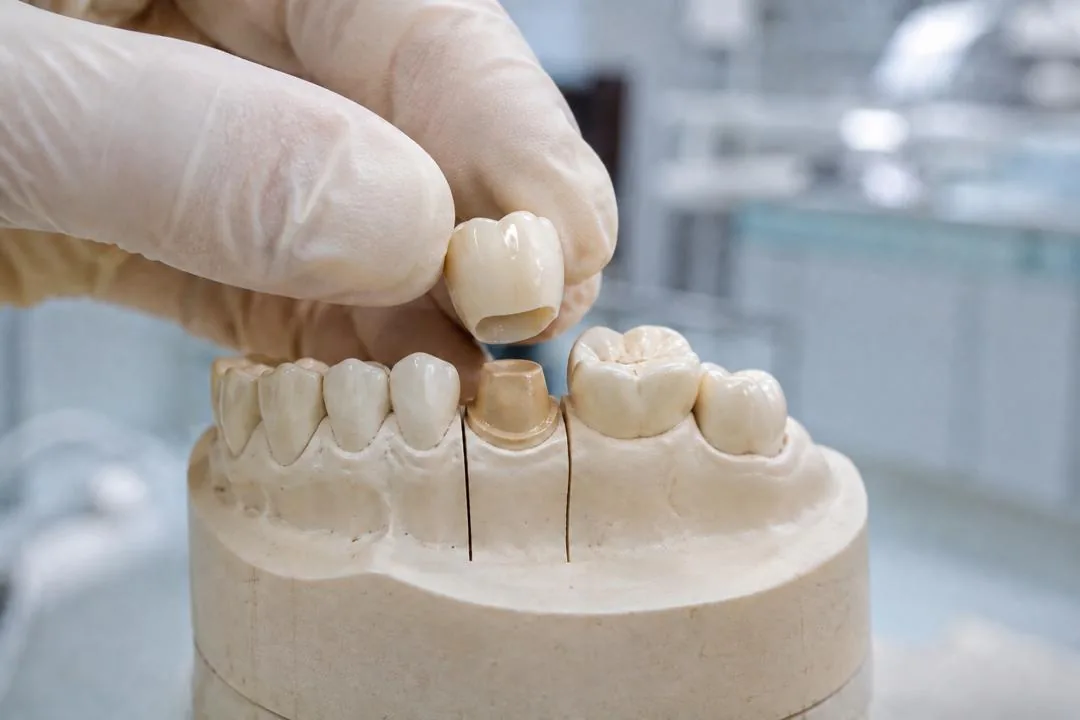
Dental crowns and bridges
A crown rebuilds a cracked, worn or root-treated tooth. A bridge replaces missing teeth using the neighbours for support. Stainless steel, porcelain, zirconia and E.max.
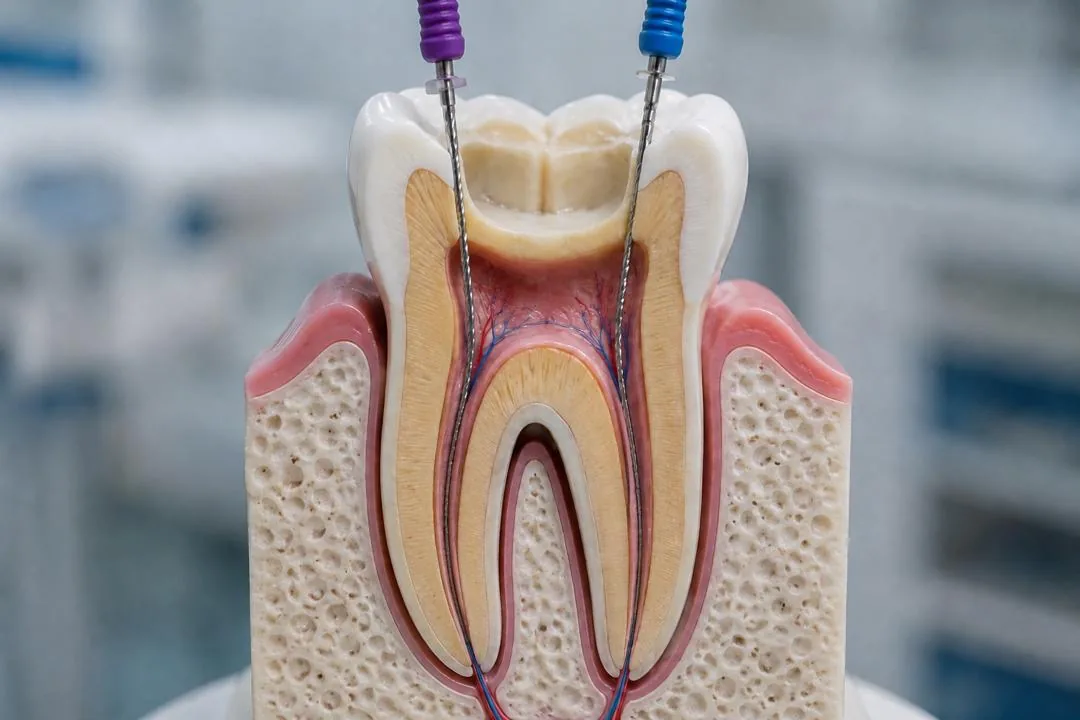
Root canal treatment
Saves a badly infected tooth rather than losing it. Molars are treated here, and more complex cases are assessed individually before treatment begins.
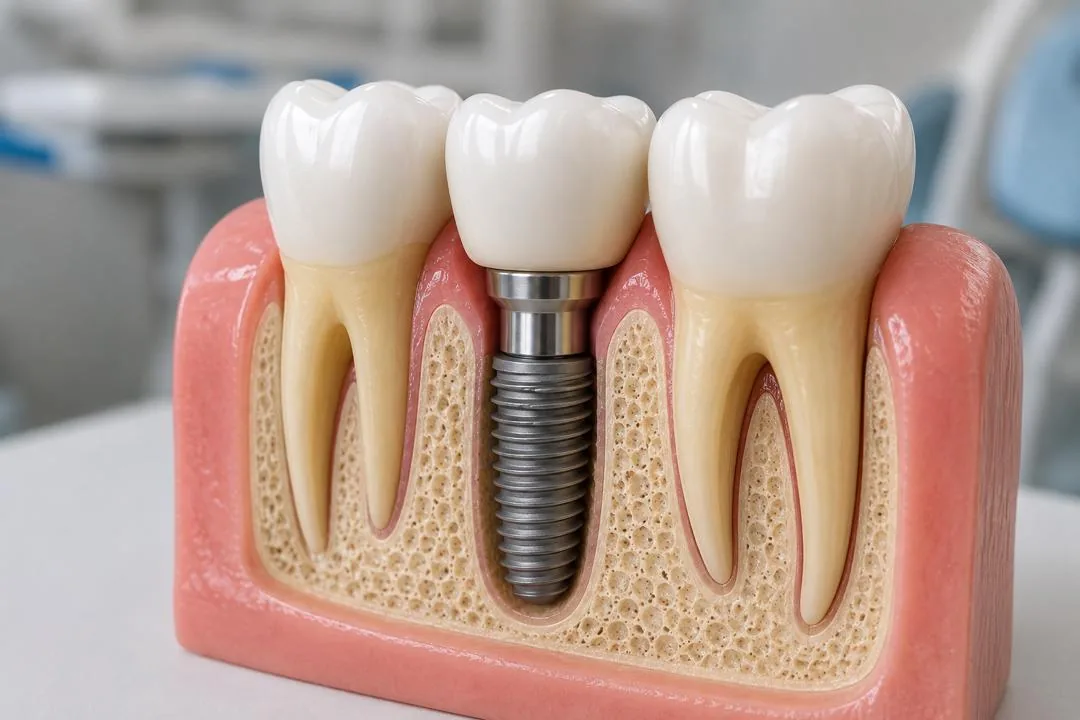
Dental implants
A fixed replacement that does not rely on the teeth beside it. Dr Reshnu Suri holds a Fellowship in Oral Implantology and handles assessment and placement.
Nearby KL areas
Patients visit us from around Setapak
Genting Dental Setapak is on Jalan Genting Kelang and welcomes patients from nearby areas including Wangsa Maju, Danau Kota, Taman Melati, Taman Melawati and Setiawangsa.
Areas we serveTalk it through first
An examination tells you what applies to your teeth, what the options are, and what each would cost - before you commit to anything.